Fully Electrohydraulic Efficiency
The FEH (Fully Electrohydraulic) system and EPOS (Electric Power Optimising System) improve fuel consumption by controlling flow rate while delivering faster and more precise machine control.
Next Level hydraulic precision, intelligent assistance and heavy-duty capability help the HX400L deliver high-output productivity with greater control, comfort and uptime.
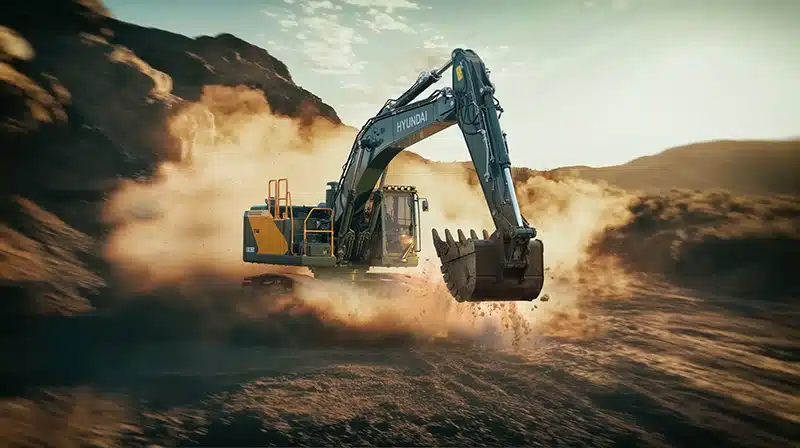
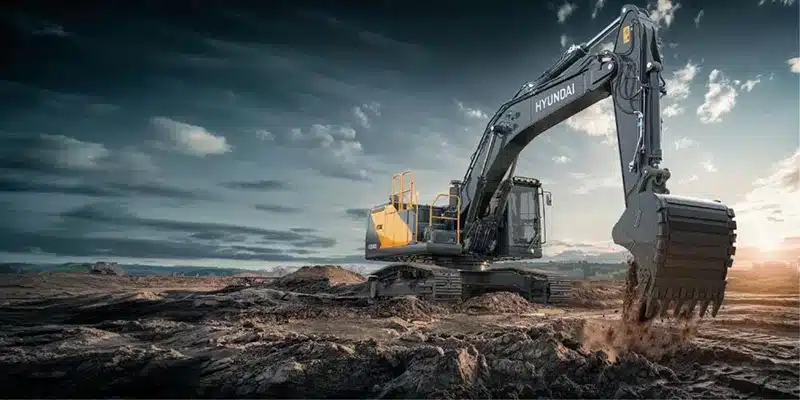
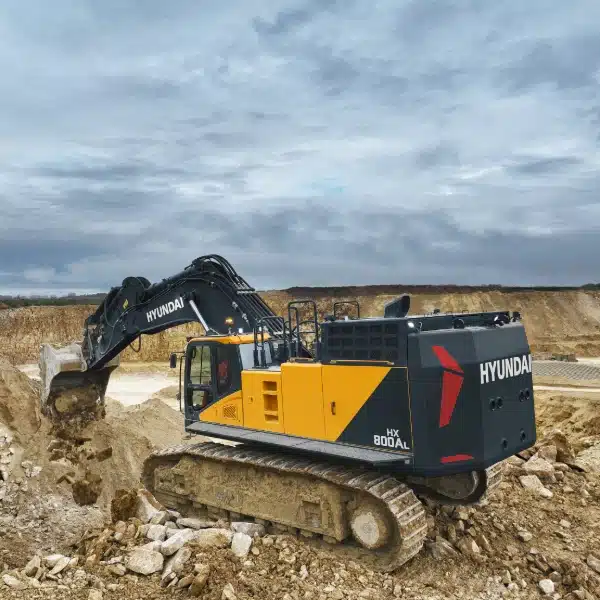
The Hyundai HX400L is designed for demanding heavy excavation, lifting and grading work where consistent output and precise control are essential. Intelligent electrohydraulic management helps deliver responsive machine behaviour while using power efficiently, allowing operators to work confidently through high-load cycles and maintain productivity across quarrying, infrastructure and major earthmoving applications.
Advanced operator-assistance, visibility and safety systems help make complex work easier to manage from a premium, intuitive cab. Extended service intervals, predictive machine monitoring and easier maintenance access are designed to reduce downtime and ownership effort, helping fleets keep the HX400L available, efficient and productive over long working schedules.
The FEH (Fully Electrohydraulic) system and EPOS (Electric Power Optimising System) improve fuel consumption by controlling flow rate while delivering faster and more precise machine control.
The Hyundai Stage V engine consumes up to 7% less fuel than previous A-Series machines, uses up to 30% less AdBlue and benefits from 1,000-hour filter and oil service intervals with DPF ash cleaning over 8,000 hours.
Machine Guidance, E-Boundary, Automatic Weighing Function and Lift Assist improve productivity, increase accuracy and provide greater safety on site.
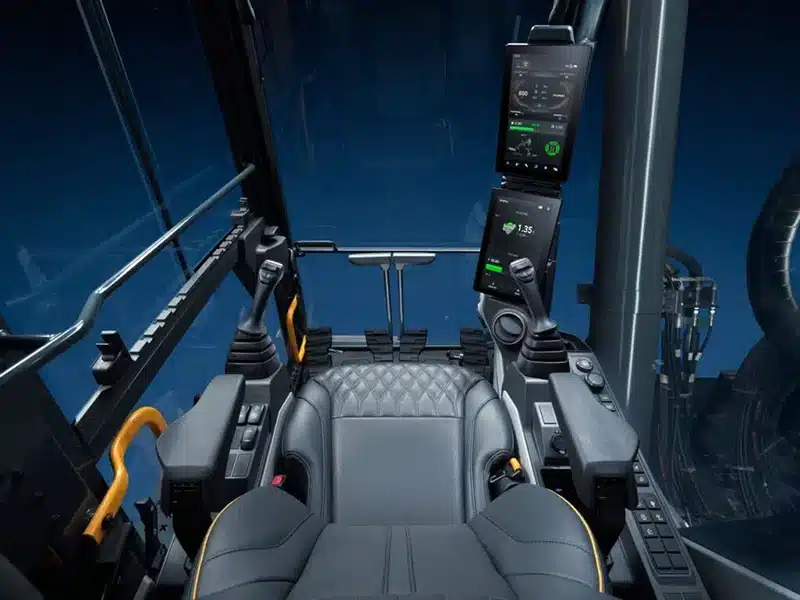
Dual 12.8-inch Full HD touchscreens, electric joystick steering, Smart Around View Monitor (SAVM), Advanced Detection System (ADS) and a six-camera system help create a comfortable, productive and safer working environment.
Full specification for the Hyundai HX400L crawler excavator. Download the full datasheet for complete technical drawings and dimensional data.
Complete dimensional drawings, load charts and full technical specification PDF
Spread the cost of your HX400L with flexible financing through Rygor Plant. All options are subject to status and financial check.
0% APR · 10% Deposit required · 36 months · You own the machine at the end
Indicative rates on request · Term flexible 24–60 months · Machine treated as off balance sheet
Finance is subject to status and financial check. Rygor Plant acts as a credit broker, not a lender. Finance is provided by third-party lenders. The representative APR of 1.9% is based on a specific example and your rate may differ. All finance is subject to eligibility. Terms and conditions apply.
Your relationship with Rygor Plant doesn't end at delivery. We're with you for the life of your machine.
Scheduled service plans keep your HX400L at peak performance and maintain warranty coverage throughout its life.
Book a serviceMachine down on site? Our mobile engineers operate across the UK and can be dispatched fast to minimise your downtime.
Call nowGenuine Hyundai parts sourced directly from the OEM. Same-day or next-day dispatch from our parts hubs.
Order parts onlineInterested in HX400L? Complete the form and one of our plant specialists will contact you with pricing, availability and finance options.
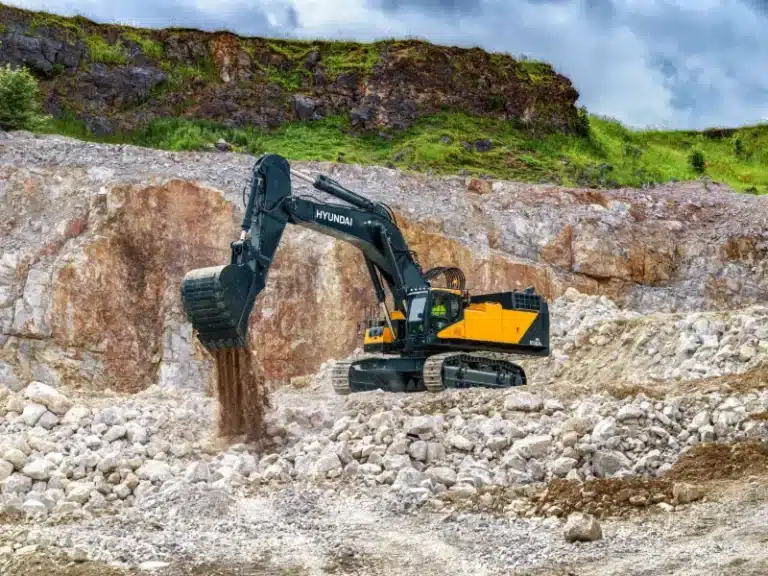
A crawler excavator is a 360-degree excavator that runs on tracks rather than wheels. It is commonly described as a tracked excavator and is designed to provide a stable working platform for digging, lifting, grading and loading. The term 360 excavator is broader and can also include wheeled machines. Crawler excavators are typically chosen where off-road stability, digging performance and heavy-duty capability are more important than road travel between work areas.
Crawler excavators are used across construction, civil engineering, earthmoving, demolition, quarrying, waste and recycling, utilities and infrastructure projects. Their tracked undercarriage gives a wide, stable base for demanding digging and lifting work, while different boom, arm, bucket and attachment combinations allow the machine to be tailored to the application. Larger machines are especially suited to bulk excavation and production work where consistent output is important.
The main difference is the undercarriage. A crawler excavator uses tracks, which generally provide strong stability and traction on uneven or soft ground. A wheeled excavator uses tyres and is better suited to applications where mobility around paved sites or between nearby work areas is important. Crawler machines are often preferred for heavier digging and off-road work, while wheeled excavators can be particularly efficient on urban, highway and utility projects.
Choose a crawler excavator by considering the material to be moved, required digging depth and reach, lifting duties, transport restrictions, attachment requirements and site conditions. A smaller crawler can be easier to move and operate on restricted sites, while heavier machines offer greater stability and production capacity. Bucket size alone should not determine the choice; hydraulic performance, lift charts, boom and arm configuration and ground conditions all matter.
A reduced tail swing or compact-radius crawler excavator is designed to limit how far the rear of the upper structure extends beyond the tracks when the machine rotates. This can help on road projects, urban sites and confined construction areas where space behind the machine is restricted. Reduced-radius machines still vary in weight, counterweight and lifting characteristics, so the complete specification should be considered for the work involved.
Yes. Depending on the model, crawler excavators can be configured with different buckets, breakers, grabs, pulverisers, shears, compactors and other hydraulic attachments. Some machines also offer alternative arm lengths, counterweights or mono and two-piece boom arrangements. The correct setup depends on whether the priority is digging depth, reach, lifting, demolition, material handling or attachment performance.
Crawler excavators can carry out lifting duties when the machine, lifting point, configuration and operating procedure are suitable for the task. Their tracked base can provide excellent stability, but lifting capacity changes with reach, boom position, counterweight, undercarriage position and attachment. Always refer to the relevant machine lift chart and site lifting requirements rather than assuming that excavator operating weight alone determines lifting performance.
Crawler excavator pricing varies significantly with operating weight, engine and hydraulic specification, boom and arm configuration, bucket package, attachments, safety technology and other options. Rygor Plant can discuss the current Hyundai crawler excavator range and prepare a quotation around the intended application. Lead times, availability and finance options depend on the machine and specification selected.
Short-tail manoeuvrability, strong all-round performance and a spacious, intuitive cab make the HX145A LCR a confident choice for…
View machine
Heavy-duty capability, precise hydraulic control and robust A-Series durability help the HX220A deliver productive, dependable performance across demanding…
View machineCompare all Crawler Excavators machines and find the right model for your site.
Browse all Crawler Excavators machines